
Manufacturing
A product has been conceptualized and fully developed. Now it needs to be manufactured so that the virtually created benefits can be fully realized in practice.
Was muss man zuerst beachten
General Explanation of Manufacturing
There is rarely ‘the’ single manufacturing process in reality – manufacturing, meaning the production of goods – usually comes as a combination of various processes or methods. Often, additive manufacturing processes are combined with subtractive methods.
An illustrative example is the production of an internal thread – of course, a thread in a filament-printed component can also be ‘printed.’ Depending on the optimization level of the process parameters, this can definitely work quite well. Or not – in which case, the simplest solution is to cut the thread using a conventional tap, meaning it is machined.
Additive Manufacturing
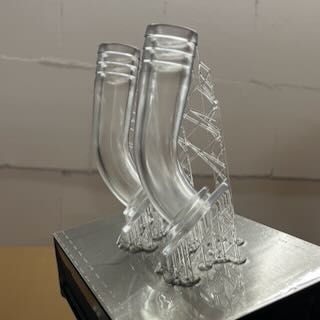
A multitude of fundamental additive manufacturing processes are available today
and more are constantly being developed.
Processes are also frequently refined or modified.
For us at Peritus Printum, the various
additive manufacturing processes are indispensable for modern production processes:
Subtractive (Conventional)
Manufacturing
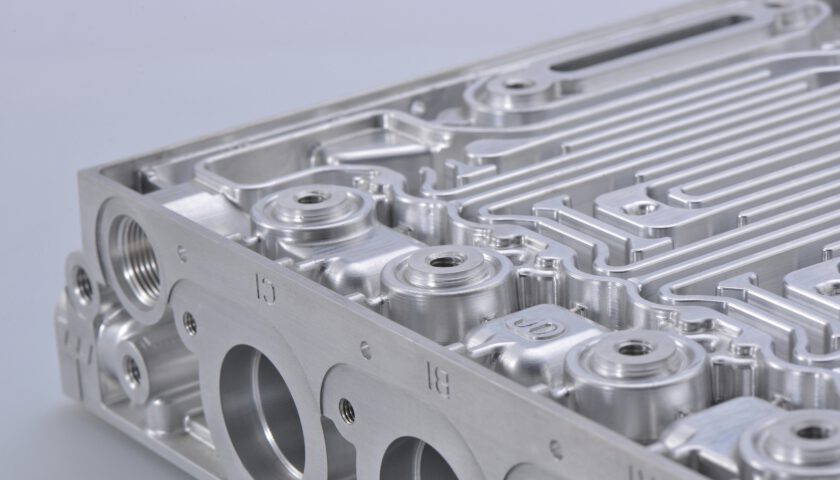
In many areas, subtractive manufacturing remains indispensable.
This applies to the post-processing of additively manufactured components or
even the complete subtractive manufacturing of components.
Our Manufacturing Capabilities
Prototype Construction / Component Development
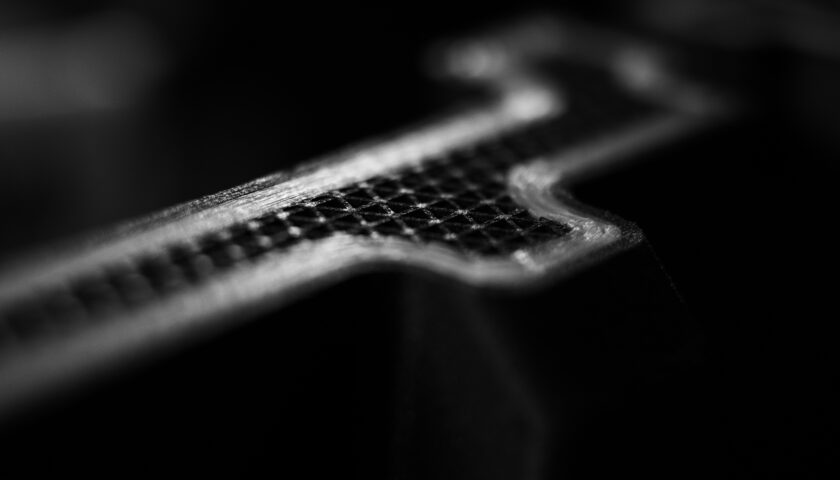
Your new concept idea is to be ‘translated’ for the first time into a tangible component or a functional prototype. Or an existing functional part is to be optimized through testing.
Series Production
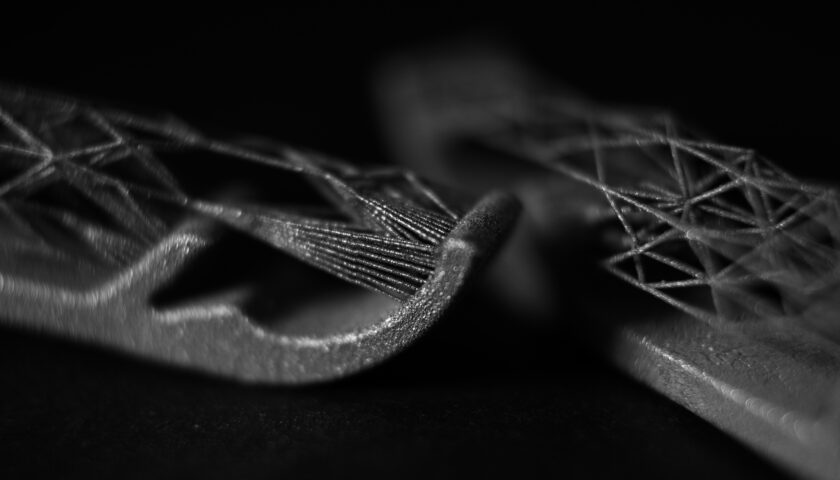
Series production differs fundamentally from prototype construction in its requirements – the manufacturing process must be secured, process parameters must be validated, and post-processing must be reduced to a minimum.
Lightweight Construction
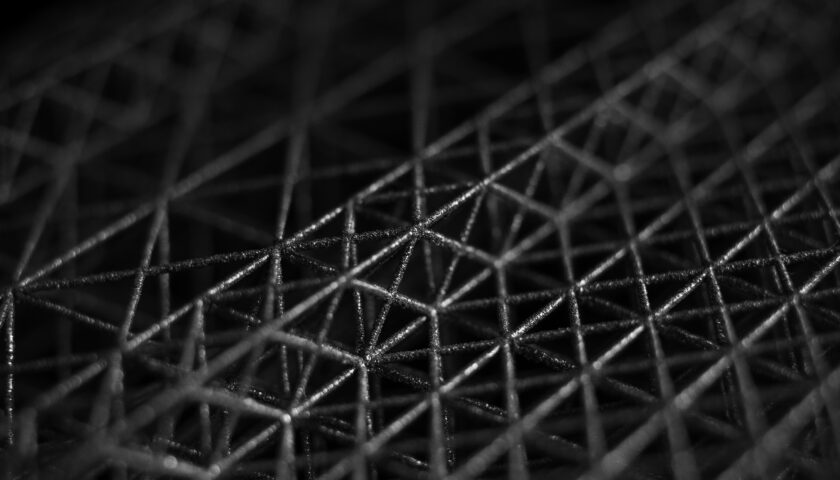
Do you need lightweight components? We have extensive experience and expertise in reducing the weight of functional parts – whether through functional integration, material selection, or a hollowed-out body (instead of solid material).
Post-Processing
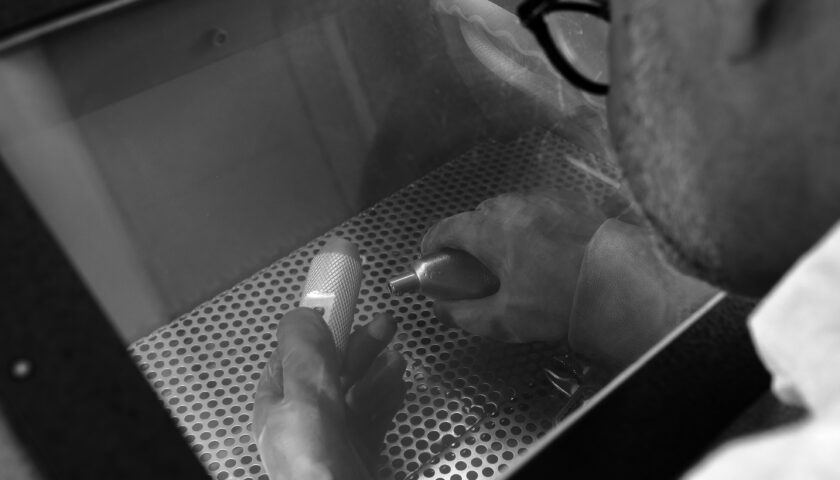
After printing comes post-processing… some products can be shipped and installed directly from the “3D printer.” However, this is not always the case – often a specific surface structure, color, or technical or aesthetic properties are desired.
The MediProtektor® Family
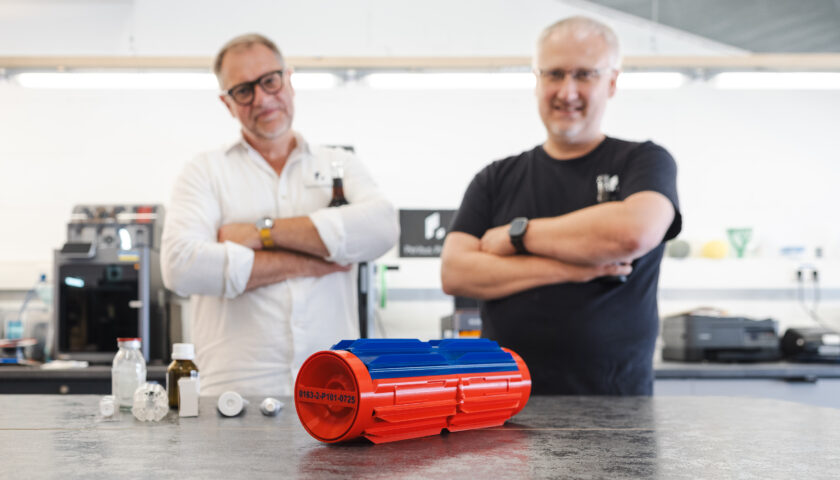
Our MediProtektor® is a constantly growing product family of protective devices for pneumatic tube systems. With innovative and robust solutions for protecting sensitive goods in pneumatic tube carriers in hospitals, we offer solutions – combining creativity with the possibilities of additive series production – that were unimaginable just a few years ago.
Pneumatic Tube Carrier Inlays Reimagined.
Quick Answers
FAQ – What Most People Want to Know
Answers to the most frequently searched topics regarding our manufacturing capabilities.
For more detailed inquiries, please feel free to contact us personally. We will find a suitable answer to every question.
I am considering having a fully developed component additively manufactured.
How could Peritus Printum offer me added value?
First of all, there isn’t ‘one’ additive manufacturing process, but a large family of different manufacturing methods. When you add the multitude of different materials, it quickly becomes very confusing. Whether a ‘printed’ component meets the required specifications depends on many, and above all, different factors than with subtractive or conventional manufacturing. Our expertise can help you find the right material, the appropriate process, and also the correct manufacturing location for your requirements. Our assessment may also reveal that we need to revise the component again with regard to the expected forces and the additive manufacturing processes – after all, our goal is to generate overall added value compared to conventional manufacturing.
“We don’t need additively manufactured components – we produce everything on our 5-axis milling machines with our own employees.”
This statement is not to be criticized in itself. Many companies are completely “self-sufficient” and have a highly developed in-house process depth. However, to continue developing, I believe an open mind towards technological progress is valuable and advisable. Of course, a plastic injection molded part can have various internal channels through sliders; however, if flow-optimized, rounded geometries (such as channels that do not meet abruptly) are to be realized, then considering additive manufacturing processes is valuable, if not indispensable. The same applies to additively manufactured metal components – geometries and material combinations are now achievable that the current aerospace industry could not exist without.
How can I imagine the properties of an additively manufactured metal component? Is it brittle?
A stainless steel component produced using the LPBF process can be machined in the same way as a component produced by turning, milling, or forming. The density corresponds to 99.9% of the density of solid material. Additively manufactured components can therefore also be machined, are very weldable, and can be heat-treated.
What is your application?
I need a very lightweight, durable manufactured metal component.
Am I in the right place with Peritus Printum?
Absolutely! We manufacture metal components from 17-4PH (1.4542) stainless steel using the LPBF process. This manufacturing process opens up many possibilities for high-strength and simultaneously lightweight structural components, as we can “hollow out” components with very thin walls. This often results in component weights below that of an identical, solid aluminum component (without its disadvantages, such as low corrosion resistance). Our martensitic stainless steel provides high, typical stainless steel corrosion resistance in combination with the strength of a tool steel.
To illustrate, I like to use the following image: an additively manufactured screw made from our 17-4PH corresponds approximately to a strength class of 12.9 – impressive, isn’t it?
Take Your Project to the Next Level with Us!
Have you exhausted the economically or technically viable possibilities of your machining production? Are you looking for more opportunities for functional integration in a component? Should one material be replaced by another – additive manufacturing is ideal for this!